Start with the style
Ingredients and process are chosen around the beer the brewery is trying to make, not around novelty for its own sake.
How we brew
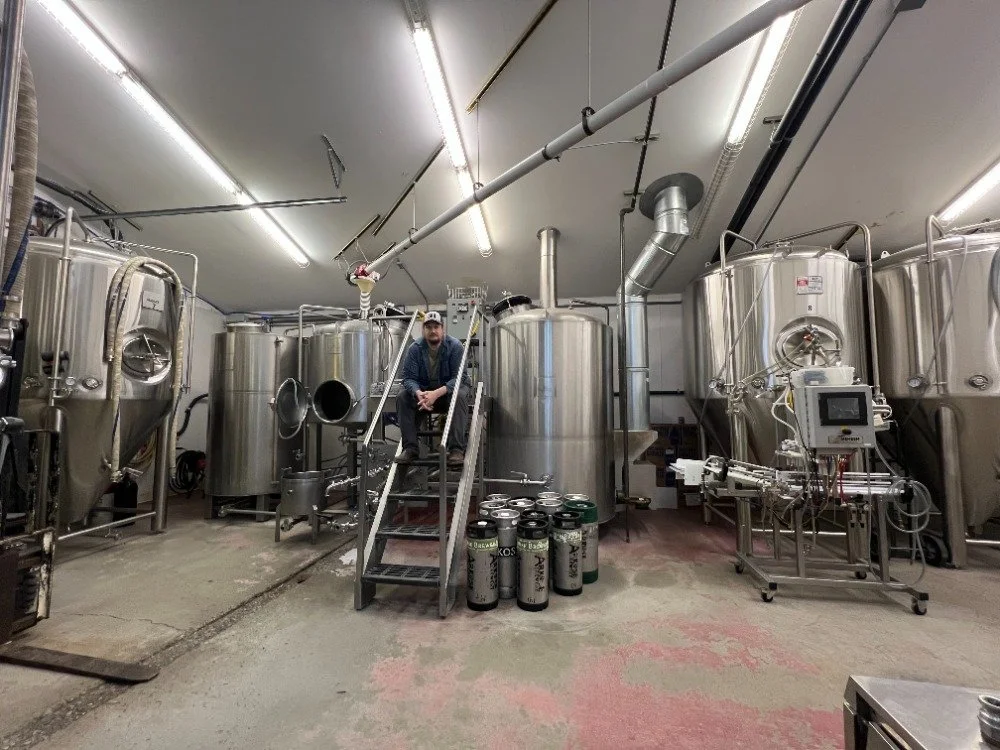
Palmer Brewing operates a 10 BBL Portland MetalCraft direct-fire brewhouse and builds its beer around traditional methods, natural carbonation and in-house yeast propagation.
Process over shortcuts
The details change by style, but the overall philosophy stays consistent: use the right ingredients, control fermentation carefully, and let time do work that cannot be rushed.
Ingredients and process are chosen around the beer the brewery is trying to make, not around novelty for its own sake.
Traditional lager brewing can require more involved mash schedules to develop the malt profile and fermentability the style needs.
Temperature and yeast behavior are managed closely because fermentation character has an outsized effect on a clean finished beer.
Palmer Brewing calls out natural carbonation as part of its traditional lager process and finished-beer texture.
Extended cold maturation is part of the process, allowing beer to condition before packaging and service.
Yeast is treated as a core ingredient and managed as part of the brewery's technical program.
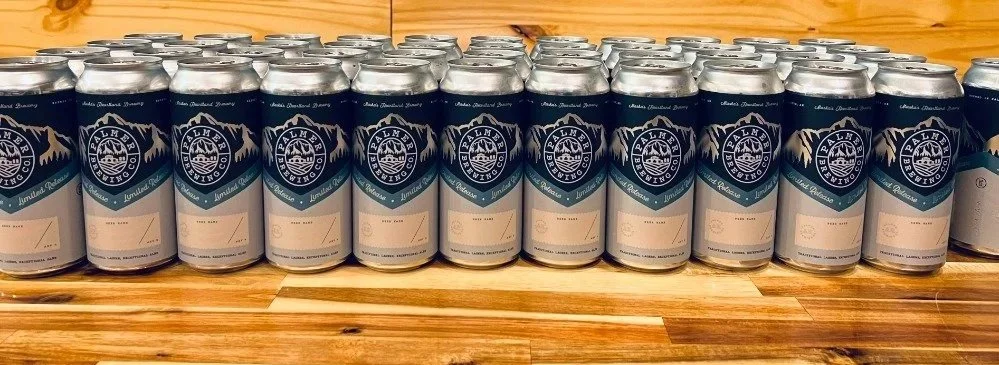
Draft and packaged beer move from the production floor into the taproom and, when available, cans or kegs to go.
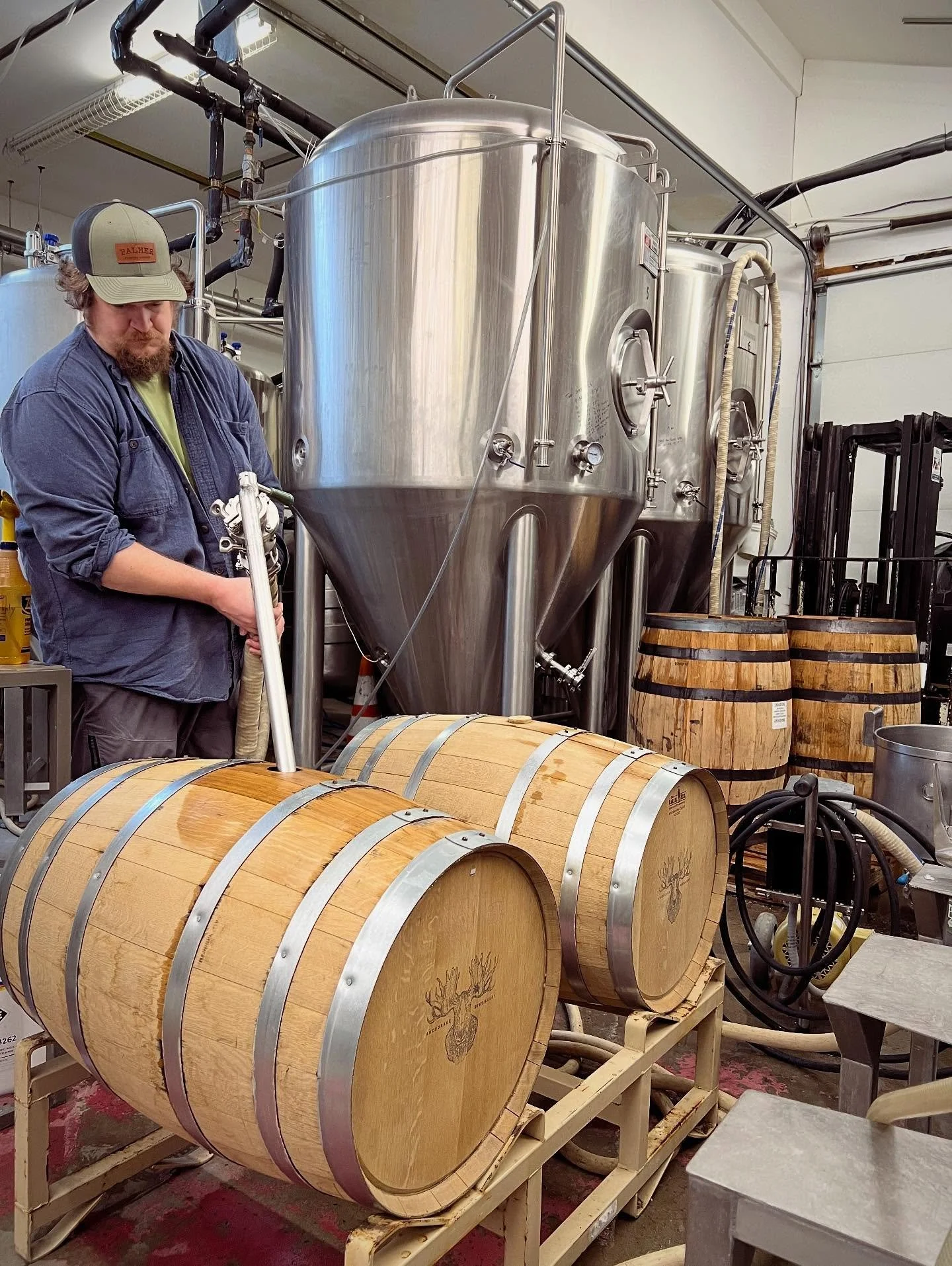
Seasonal, small-batch and barrel-aged beer keep the creative side of the program moving alongside the classics.
Two sides of the program
The same brewhouse that handles precise lager production also supports Belgian styles, IPA, porter, sour beer, high-gravity releases and barrel work.